Sunday, 26 February 2012

Labelling assignment


1. Nucleolus - Produces ribosomes, made of RNA.
2. Nucleus - Stores genetic information, controls cell division, directs functioning of cell.
3. Ribosome - Site of protein synthesis, reads RNA code, translates into amino acid sequence.
4. Vesicle - Membrane bound sacs that transport materials around and out of cell.
5. Rough Endoplasmic Recticulum - Produces proteins and transports them to Smooth ER.
6. Golgi Body - Modifies proteins and lipids. Stores and packages molecules.
7. Cytoskeleton - Maintains cell shape, helps with transport in cell.
8. Smooth Endoplasmic Recticulum - Packages proteins, synthesizes membrane phospholipids, detoxifies drugs in liver cellls.
9. Mitochondria - Produces ATP, site of cellular respiration.
10. Vacuole - Maintains structure in plant cells. Acts as storage.
11. Cytoplasm - Gel-like substance that contains all the organelles.
12. Lysosome - Acts as garbage disposal, breaks down bacteria entering cell and worn out organelles.
13. Centrioles - Help the cell during mitosis and meiosis.

Cell Processes part B

                                                                    Lipid Synthesis


    Lipid Synthesis takes place in two parts. First is fatty acid synthesis. This takes place in the cytoplasm and starts the synthesis by forming acetoacetyl-ACP. ACP guides the synthesis of fatty acids . acetoacetyl-ACP enters the elongation cycle for fatty acid synthesis, which results in chains of fatty acids being formed. Next, the lipid is assembled. The enzymes that help in lipid synthesis are bound to ctyoplasmic membrane. The fatty acids are transferred from  acetoacetyl-ACP to sn-glycerol 3-phosphate to form phosphatidic acid. The last step is the hydrophilic part of lipid being added.

lipidsyn picture

Cell Processes Project part A

                                                                       Photosynthesis


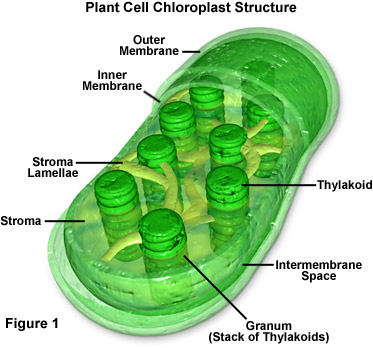
     The outer, inter, and inner membrane protect the cell and also transport things like carbohydrates.
The stroma contains ribosomes, DNA, and is the location of biochemical synthesis.  The stroma lamellae transports nutrients to the thylakoids. The thylakoids are the site of photosynthesis.

      In photosynthesis, a light reaction occurs in the thylakoids, converting the light energy into ATP. The stroma then uses the ATP energy to convert CO2 into sugar. It does this by producing 2 glyceraldehyde 3-phosphate and combing them into a glucose molecule.


                                                                  Cellular Respiration


                                                                      Mitochondria


     The outer membrane, intermembrane  space, inner membrane all let proteins in and out of the cell and transport them across the membrane. The inner membrane can produce ATP. The cristae enhances the inner membrane's ability to produce ATP. The matrix helps the inner membrane make ATP using ATP synthase particles. It also contains hundreds of enzymes and 2/3 of the organelle's protein. Mitochondria have their own DNA and can make their own RNA. It also has its own Ribosomes.

   Cellular Respiration is the process in which the cell converts energy from nutrients into ATP and releases waste. The mitochondria oxidizes glucose, pyruvate, and NADH in the matrix to produce ATP.